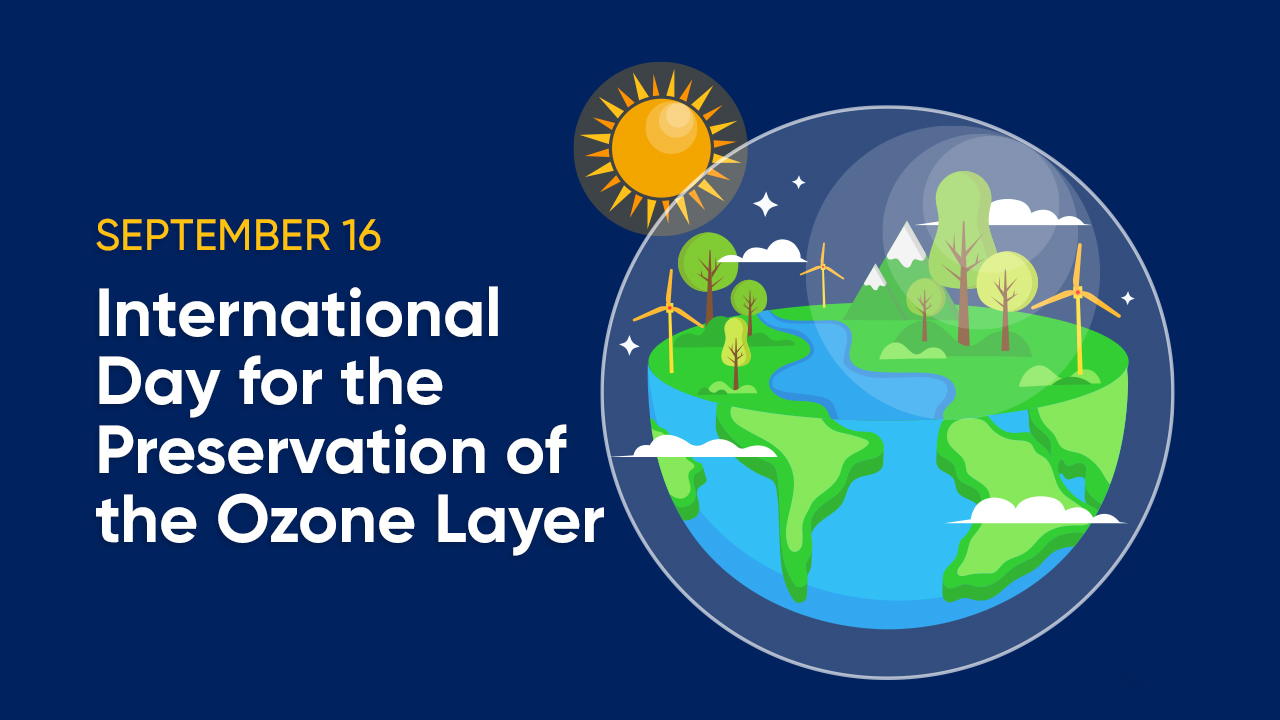
The International Day for the Preservation of the Ozone Layer is commemorated annually on 16 September. The day coincides with the signing of the Montreal Protocol in 1987, a landmark international agreement aimed at protecting the ozone layer. This year, the national celebrations in Mombasa are under the theme, “Global Action for a Cooler Planet,”. The observation this year highlights the need for collective action to protect the ozone layer while addressing the climate impacts associated with refrigerants.
Ahead of the observation, a stakeholder engagement aimed at engaging key players and building momentum towards the national event in Mombasa was held. Meanwhile, the government has revised the Environmental Management and Co-ordination (Controlled Substances) Regulations, 2025.
This now paves was for actively undertaking measures to operationalize the new regulatory framework. The Regulations provide the primary legal framework for the control of ozone-depleting substances (ODS) and high-global-warming-potential refrigerants in Kenya. The new development will establish a formal hydrofluorocarbon (HFC) licensing system, supported by strengthened operational controls, including
- Verification of declared quantities,
- Tracking of individual importers,
- Improved accuracy of records,
- Direct linkage between licensing data and field inspections.
In collaboration with the Ministry of Environment, Climate Change and Forestry and the National Ozone Unit, all importers, exporters and technical dealers of refrigeration and air-conditioning gases are required to obtain valid licences and permits. Under the new regulatory framework, refrigerant gas dealers and relevant technicians are also required to be licensed, while technicians must register with the Authority.
These measures are intended to strengthen compliance, improve traceability and ensure responsible management of controlled substances throughout the refrigeration and air-conditioning value chain. NEMA has further called for sustained collaboration among regulators, industry players, technical and training institutions, development partners and other stakeholders to support the effective implementation of the regulatory framework and advance Kenya’s transition towards climate-friendly refrigeration and air-conditioning technologies.
The importance of collective action in safeguarding the ozone layer, reducing greenhouse gas emissions and contributing to a cooler and more sustainable planet will ensure the country meets it’s objective of offering a green ecosystem for the future good.